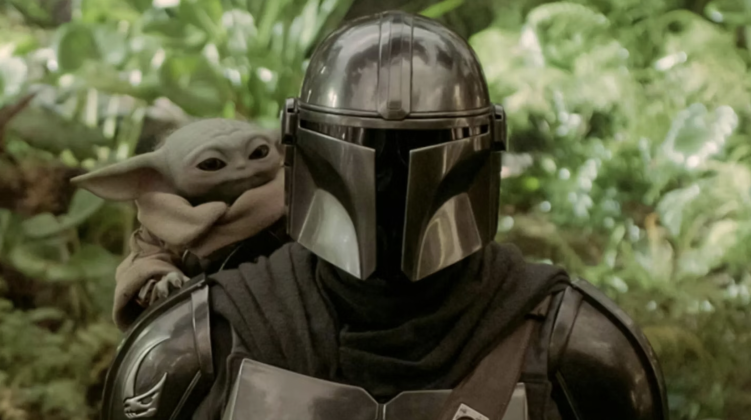
Star Wars: The Mandalorian and Grogu makes a striking choice by leaving out two prominent characters from its cinematic storyline, opting instead for a tighter focus on Din Djarin and Grogu’s personal journey. This decision reflects Jon Favreau’s intent to craft an accessible theatrical experience that doesn’t rely heavily on prior knowledge from other Star Wars series. The director’s approach prioritizes emotional depth and standalone storytelling over expansive crossovers. Such choices mark an important evolution in how the franchise adapts its characters for the big screen.
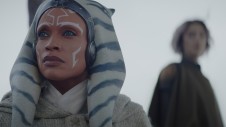
In an interview with Entertainment Weekly, Favreau addressed the absence of Ahsoka Tano (Rosario Dawson) and Grand Admiral Thrawn (Lars Mikkelsen). “It’s not always about character crossovers, I’ll say that. It’s about the characters and what they’re experiencing. We brought Ahsoka into The Mandalorian originally because she would be a great character to explain [to] Grogu a bit more about his history. So when we find the right reason to have characters intersect, we definitely do it.”
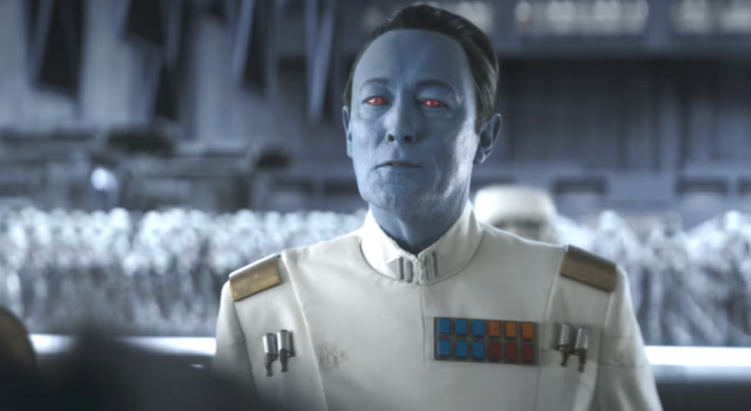
The narrative choices stem from the unique positions these characters held in prior installments. One played a pivotal role in revealing the child’s true identity and heritage following extensive travels alongside the helmeted warrior across arid landscapes and dangerous encounters. This history fueled speculation about potential inclusion in the movie. The second maintains significant connections to other Star Wars plotlines yet features only passing mentions rather than direct onscreen involvement in the central pair’s exploits.
“When we were discussing doing a fourth season of The Mandalorian, which was put on hold, and then the idea of doing a theatrical presentation changed the way we approached how interconnected things should be,” Favreau explained. “A fourth season of a show would have assumed that you saw three seasons previously and, frankly, everything else on Disney+. That’s the nature of a serialized long-form TV story.”
The director pointed to thoughtful integration methods as a guiding principle. “I think somebody who’s never seen Zeb before totally gets it and thinks he’s cool, too. So that’s where we’re looking for the Venn diagram where those things overlap, and that’s a good example.” This balanced perspective emphasizes accessibility without sacrificing depth for established fans. It guides how elements from the larger saga appear in the film.
Favreau’s direction keeps the spotlight firmly on the bond between the Mandalorian warrior and his green companion throughout their latest challenges. Pedro Pascal reprises his role as the stoic Din Djarin, bringing physical presence and voice work to the character’s moral dilemmas and combat sequences. Grogu continues to steal scenes with his mix of adorable expressions, budding Force powers, and mischievous antics that drive much of the plot. The production team enhanced visual effects and action set pieces to maximize the impact of the theatrical format.
Transitioning the story from Disney+ episodes to cinema required rethinking assumptions about viewer knowledge. Television allows gradual world-building and long-term character arcs across extended runtimes. Movies must deliver immediate engagement and resolution while still feeling part of the expansive Star Wars mythology. This constraint prompted careful evaluation of which supporting elements truly served the core tale. The final cut aims to satisfy both first-time viewers and dedicated followers of the franchise.
Creative decisions at Lucasfilm increasingly differentiate between formats to expand the Star Wars universe effectively. Streaming series excel at intricate, interconnected storytelling that spans multiple seasons and characters. Feature films benefit from tighter narratives that emphasize spectacle and emotional immediacy suitable for communal theater experiences. This film represents an intentional step in refining that balance. Future projects will likely continue testing these boundaries as the saga grows.
The Mandalorian and Grogu is now showing in theaters worldwide. The film launched with a respectable $98 million domestic opening weekend but saw a steeper than expected drop in its second frame due to strong competition from summer blockbusters, pushing global totals toward $245 million so far. Audience turnout remains steady in international markets where Star Wars holds enduring appeal. Meanwhile, Star Wars: Ahsoka Season 2 is slated to arrive on Disney+ in early 2027, set to continue its own narrative threads with high anticipation from viewers.
This latest Star Wars entry highlights the franchise’s willingness to evolve its storytelling methods. By centering the experiences of Din Djarin and Grogu without forcing unnecessary intersections, the movie offers a refreshing and focused adventure. Such choices may influence how other characters transition between mediums going forward. The galaxy far, far away continues to thrive by adapting to new formats while preserving its core sense of wonder and heroism.