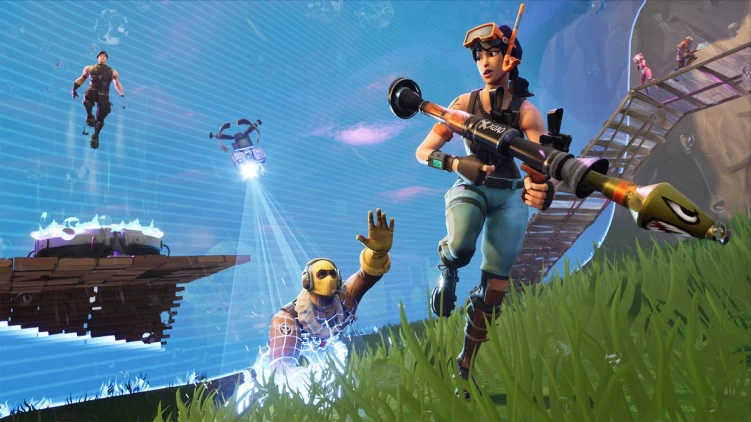
Epic Games has announced the layoff of over 1,000 employees as the company grapples with financial pressures tied directly to Fortnite's underperformance. The move comes as the video game giant faces a downturn in player engagement that began in 2025, forcing significant operational changes to stabilize its finances. This development underscores broader challenges in the gaming industry, where even blockbuster titles like Fortnite must navigate shifting player habits and rising development costs.
According to a note sent to staff by Epic Games CEO Tim Sweeney, the layoffs are part of a larger effort to address unsustainable spending. The communication highlights that Fortnite remains one of the world's most successful games, yet the company has struggled to deliver consistent seasonal content, accelerate its return to mobile platforms, and optimize the experience for billions of smartphone users worldwide. Sweeney emphasized both industry-wide headwinds—such as slower growth, reduced consumer spending, and competition from other entertainment forms—and Epic-specific issues, including the high costs of pioneering open platforms and advanced tools.
The layoffs, combined with additional measures, are intended to restore fiscal balance. "This layoff, together with over $500 million of identified cost savings in contracting, marketing, and closing some open roles puts us in a more stable place," Sweeney wrote in the internal note. He also addressed speculation about emerging technologies, stating that the cuts "aren't related to AI." Sweeney added, "To the extent it improves productivity, we want to have as many awesome developers developing great content and tech as we can."
Epic's decision reflects a strategic pivot. The company plans to focus on delivering "awesome Fortnite experiences" through fresh seasonal content, gameplay innovations, storylines, and live events. It will also accelerate development of its core engine technology, evolving from Unreal Engine 5 and UEFN toward Unreal Engine 6. Sweeney noted that Epic has weathered similar storms before, citing past transitions from 2D to 3D gaming in the 1990s, console development in the 2000s with titles like Gears of War, and the shift to online experiences in 2012 with Paragon and Fortnite. Each time, the company rebuilt stronger foundations. Today’s market conditions, he described as the most extreme since those early days, yet filled with opportunity for leaders who adapt.
The gaming sector as a whole continues to evolve rapidly. Console sales have lagged behind previous generations, and players are dividing their time among an ever-expanding array of digital entertainment options. For Epic, Fortnite has long served as the flagship product, generating billions in revenue through its battle royale core, creative modes, and in-game economy. However, maintaining that level of success requires constant investment in servers, content updates, licensing deals, and cross-platform infrastructure. The layoffs represent a painful but necessary step to align expenses with revenue, ensuring the company can continue funding its ambitious roadmap.
Fortnite Modes Shutting Down For Good
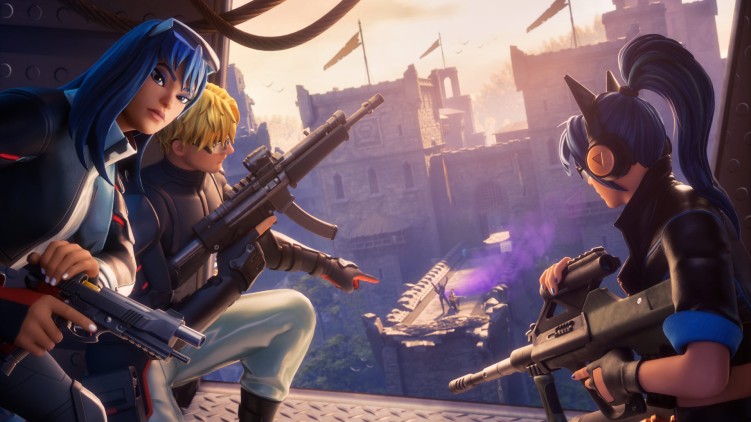
As part of its cost-optimization strategy, Epic Games is permanently discontinuing three underperforming game types to concentrate resources on core experiences. The affected modes—Rocket Racing, Ballistic, and Festival Battle Stage—will follow specific shutdown timelines announced in tandem with the layoffs.
Rocket Racing, which launched with high-speed vehicular competition two years ago, will leave Fortnite entirely in October 2026. This includes the removal of all UEFN islands built using Rocket Racing templates. Starting next week, related quests will no longer be available, and the current track-creation template will be pulled from UEFN tools. No additional ranked rewards are planned for the current season, though players can still access their Vehicle Locker and use customized cars in other Fortnite contexts. Developers building car-related content will gain new tools in April, including car physics, hazards, and track-building features like the Track Spline tool and Speed Boost devices, allowing them to create standalone racing islands.
Ballistic, a first-person shooter experience, is set for removal on April 16, 2026, as part of the 40.20 update. Players will have a final window to enjoy and rank up in the mode during its closing weeks. First-person shooter tools in UEFN will remain available for creators, supporting ongoing FPS islands, though advanced features such as custom weapons, ranked support, and enhanced matchmaking will be needed for future modes of this style.
Fortnite Festival’s Battle Stage—a competitive PVP rhythm-game variant within the music-focused experience—will also go offline on April 16, 2026, with the 40.20 release. Quests tied to the mode will remain accessible until then. The broader Fortnite Festival will continue, with improvements planned for the Main Stage (team-based note-highway rhythm gameplay) and Jam Stage (casual social music emoting), alongside music features integrated across Fortnite.
These closures allow Epic to redirect engineering and server resources toward higher-impact areas, including next-generation Fortnite content and Unreal Engine advancements. The company expressed gratitude to players who engaged with the modes and reaffirmed its commitment to an open creator ecosystem through UEFN enhancements.
Looking ahead, Epic remains focused on long-term growth. With the cost savings now in place, the company aims to launch major initiatives toward the end of the year, positioning itself and partner developers for success in an increasingly competitive landscape. Severance packages for affected employees include at least four months of base pay (more based on tenure), extended healthcare coverage, accelerated stock vesting through January 2027, and equity exercise options for up to two years. A company-wide meeting is scheduled for Thursday to discuss the updated roadmap in greater detail.
Last week, Epic Games announced that it would increase its in-game currency to help pay the bills, saying that the cost of running Fortnite has gone up a lot. This adjustment further illustrates the financial realities driving the company’s recent decisions, as it seeks to sustain operations amid elevated expenses for infrastructure, content creation, and global player support. While challenges persist, Epic’s history of resilience suggests it will continue innovating to keep Fortnite at the forefront of interactive entertainment.