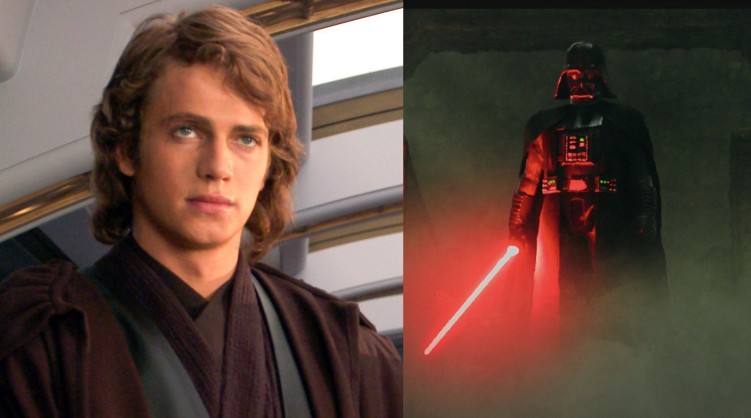
Anakin Skywalker was once the heroic Jedi Knight prophesied to bring balance to the Force, a central figure in the Star Wars saga whose journey captivated audiences across generations. His fall to the dark side transformed him into Darth Vader, the menacing Sith Lord who served as the Empire's enforcer and symbol of fear. Yet, this transformation is more than a simple change in allegiance; it represents a profound psychological and canonical divide that Dave Filoni, president of Lucasfilm, has now clarified as an essential rule in Star Wars storytelling. This distinction ensures that Vader operates as a separate entity, allowing the character to function as an unrelenting force of destruction without the complexities of his former self interfering.
In a recent interview with Inverse, Filoni elaborated on this canon rule in light of Darth Vader's chilling appearance in the season finale of Star Wars: Maul – Shadow Lord. In the episode, Vader emerges as an unstoppable juggernaut, plowing through crumbling buildings and eerie jungle terrain to mercilessly slay adversaries who dare to raise a lightsaber against him. Portrayed as a non-verbal wraith and bogeyman, Vader massacres his enemies with brutal efficiency before vanishing into the shadows, his presence marked only by the ominous sound of his breathing apparatus. This depiction aligns perfectly with Filoni's vision of the character in the period shortly after the events of Revenge of the Sith.
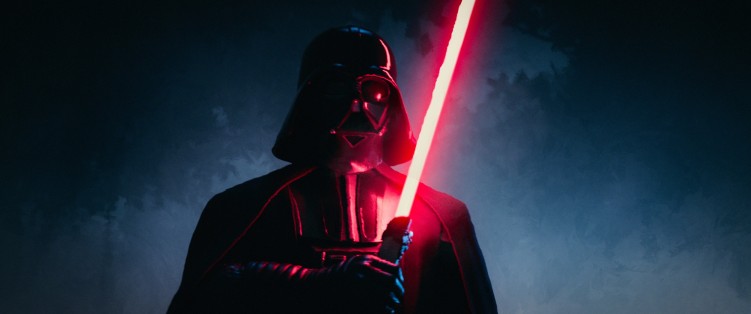
Filoni explained the core of this rule, saying, “He’s not Anakin. He doesn’t recognize that. He can’t. Anything that reminds him of Anakin, he’s going to destroy. When he sees a Jedi, he’s going to destroy the Jedi, because the Jedi would remind him unconsciously or consciously that he betrayed all of his friends and everything he knew and the life he grew up with... for nothing.” This perspective highlights how Vader has buried his past identity deep within himself to maintain his loyalty to Emperor Palpatine and avoid confronting the trauma of his choices. By suppressing Anakin Skywalker entirely, Vader becomes a vessel of pure rage and purpose, unhindered by remorse or self-reflection that could undermine his role as the Empire's most feared operative.
This approach to Vader's character allows Star Wars creators to utilize him effectively in various narratives without diluting his mythic status. Throughout the expanded universe of Star Wars stories, Vader has been deployed strategically as a blunt instrument of terror. His appearances are often brief but impactful, designed to instill dread and showcase the overwhelming power of the dark side. From his hallway rampage against Rebel troops to confrontations with former allies, each encounter reinforces his position as an almost mythical villain whose very existence commands respect and fear.
Filoni further detailed his philosophy on portraying Vader by stating, “The key is not to actually give him a character. It’s like the same feeling you got in Rogue One when he comes down the hallway. He doesn’t talk to those guys. He’s going to destroy them. He has one mission, and all of his remorse and all of his anger and all of his hate is in every swing that he does. That’s how it’s resolved.” In this way, Vader's actions speak louder than any dialogue, channeling all his internal conflict into violent outbursts that resolve his emotional turmoil through sheer dominance on the battlefield. This method preserves the character's integrity across different media, ensuring consistency with George Lucas's original vision while allowing room for creative interpretations in series like Obi-Wan Kenobi and Star Wars Rebels.
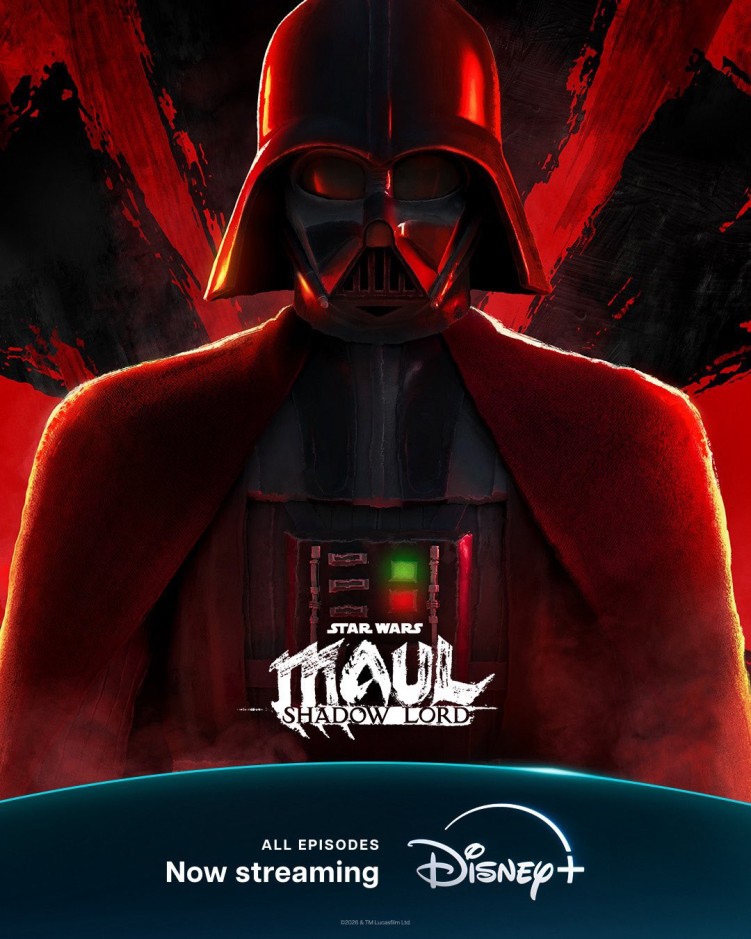
Expanding on this canon guideline reveals deeper layers to the Star Wars mythology. Anakin Skywalker's story arc serves as the emotional heart of the franchise, with his redemption in Return of the Jedi providing a poignant conclusion. By maintaining a strict separation between Anakin and Vader, storytellers can explore Vader's early years post-transformation as a time of raw, unfiltered Sith aggression. In Star Wars: Maul – Shadow Lord, set only a year after Anakin's fall, this version of Vader is depicted at his most ruthless and least human, emphasizing the fresh wounds of his betrayal and the intensity of his new identity. Such portrayals add tension and stakes to the overall narrative tapestry, showing how the once-promising Jedi has been completely subsumed by darkness.
Moreover, Filoni's rule prevents overuse of Vader. He told Inverse, “This is George’s character. This is the backbone of the whole thing, and you don’t want to do anything that interrupts that,” recognizing Vader as George Lucas's signature creation and the backbone of the entire Star Wars saga. Introducing too much personal development or dialogue could risk humanizing the character in ways that detract from his imposing presence. This restraint has proven effective in maintaining the character's legendary status, even as new generations of viewers discover the Star Wars universe through various platforms and formats.
All episodes of the first season of Star Wars: Maul – Shadow Lord are now streaming on Disney+, and Season 2 has been officially confirmed.