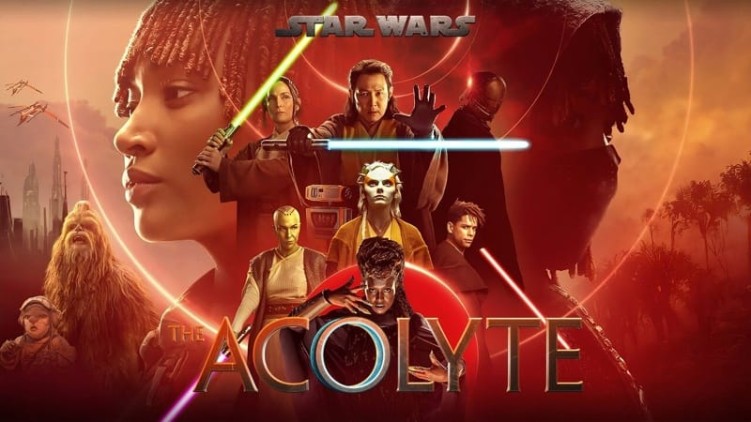
In 2024, The Acolyte debuted as a bold addition to the Star Wars franchise, exploring the High Republic era with themes of power, duality, and the dark side's allure. However, the series faced cancellation after its inaugural season due to mixed reception and viewership challenges, cutting short its planned multi-season arc. Despite this, the release of The Art of Star Wars: The Acolyte offers a treasure trove of revelations, allowing fans to delve into the creative decisions, unused concepts, and inspirations that defined the show.
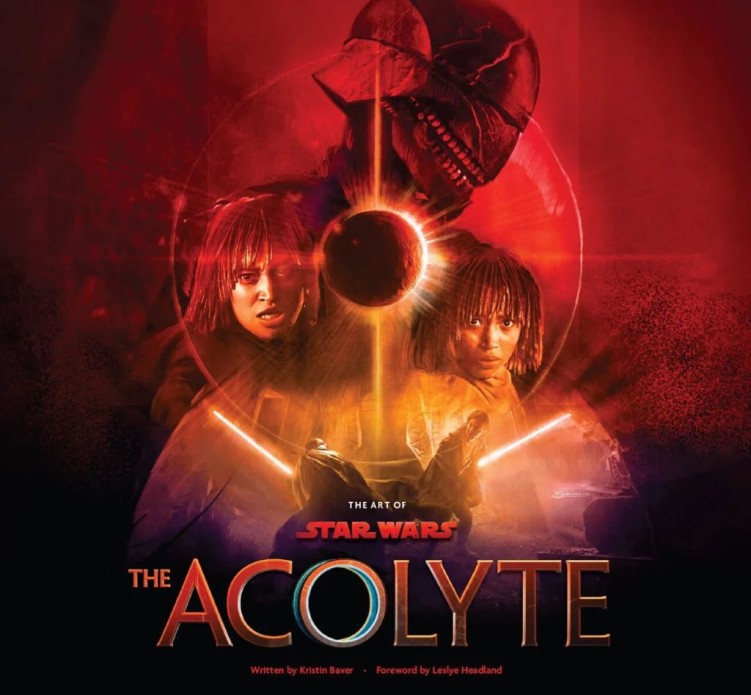
Written by Kristin Baver, this stunning art book showcases the production art, character designs, and other breathtaking visual work that brought The Acolyte to life, while also packed with fascinating tidbits about the series—including details of an alternate ending, the original title, connections to Kylo Ren and Han Solo, a wide array of Easter eggs, and much more. By examining these details, we gain a deeper appreciation for how creator Leslye Headland and her team aimed to expand the galaxy far, far away with fresh storytelling elements.
1 Original Series Title
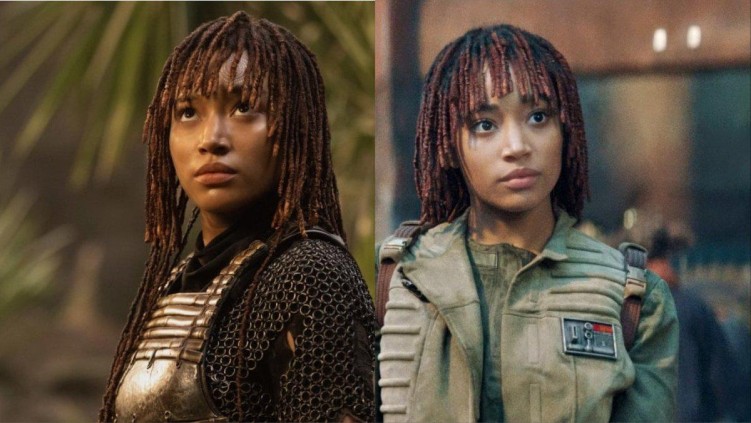
The series' original title was The Lost Sister, which more explicitly highlighted the central storyline involving the twin sisters Mae and Osha. This name emphasized themes of familial bonds, separation, and reunion that drive the plot.
2 Leslye Headland's Perspective on Success
Creator Leslye Headland considers The Acolyte a success regardless of its cancellation, as she intended to craft a new narrative style within the Star Wars universe.
In the book, she reflects: “When we set out to make The Acolyte, I hoped to create a new expression of Star Wars, inventing something to expand on the storytelling I have loved since I was a child... And since it premiered in 2024, the fans of the series have affirmed this: We succeeded.” This perspective underscores her focus on innovation over commercial metrics.
3 Qimir/The Stranger's True Identity
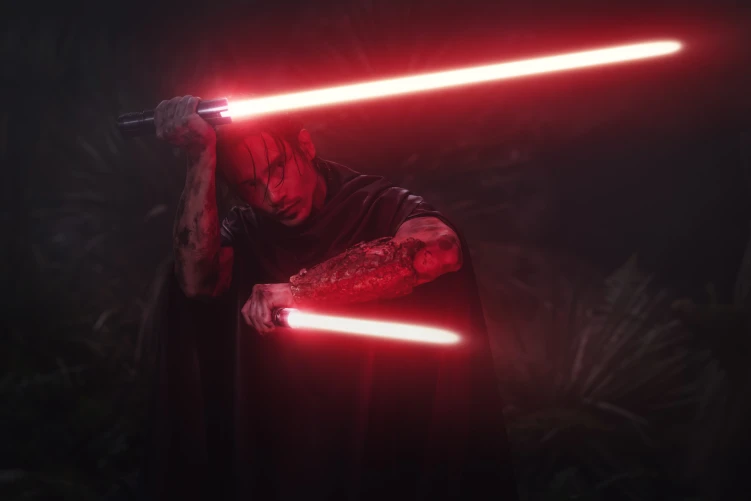
The beginning of the book appears to clarify confusion by referring to Manny Jacinto’s Qimir / The Stranger as “a secret Sith master.” This confirmation solidifies his role as a pivotal antagonist lurking in the shadows of the High Republic era.
4 Mother Aniseya’s Coven Location Change
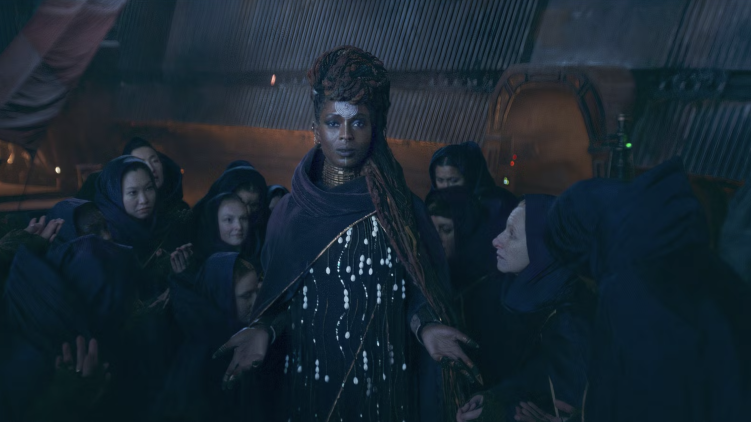
Mother Aniseya’s coven of witches originally lived in an opulent castle called Anisham Castle, leaning into the fairy-tale qualities of Naboo in The Phantom Menace. Ultimately, the team opted for a more industrial and fortified complex on Brendok to better suit the story's tone of isolation and resilience.
5 Mae's Early Sith Armor Concept
Early concept art featured Mae in red “Sith Armor” that looks like a cross between Darth Revan’s armor from Knights of the Old Republic and Dracula’s red armor from Bram Stoker’s Dracula. This visual choice aimed to evoke a sense of ancient menace and vampiric allure for the character.
6 Opening Scene Location Shift
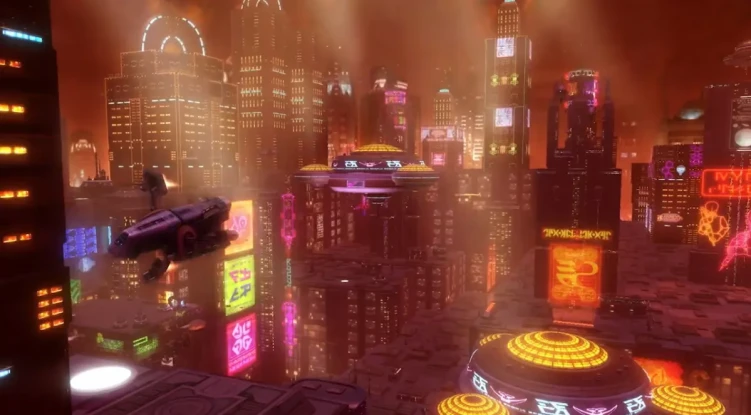
The opening scene of The Acolyte, in which Mae kills Master Indara in a noodle bar, originally took place on Nar Shaddaa, the home planet of the Hutts. A small Hutt was also set to feature in Osha’s escape from imprisonment in the first episode, but the location was changed for a more focused introduction.
7 Unused Jedi X-Wing Concept
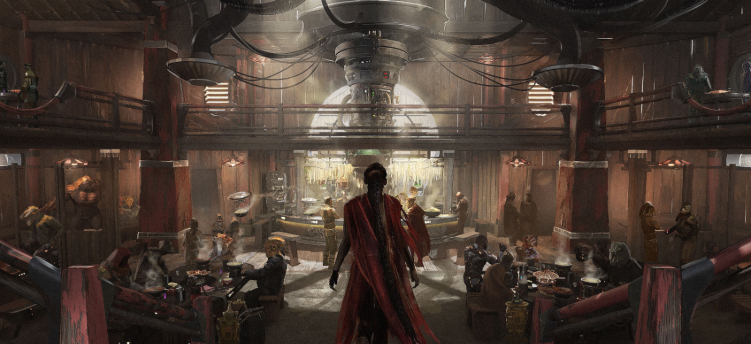
Concept art of a Jedi X-Wing was commissioned for the series. Although Luke later flew an X-Wing, it was never customary for Jedi to fly X-Wings as, by the time of their inception, the Jedi were all but extinct, leading to this idea being scrapped for chronological accuracy.
8 Osha's Meknek Role Rationale
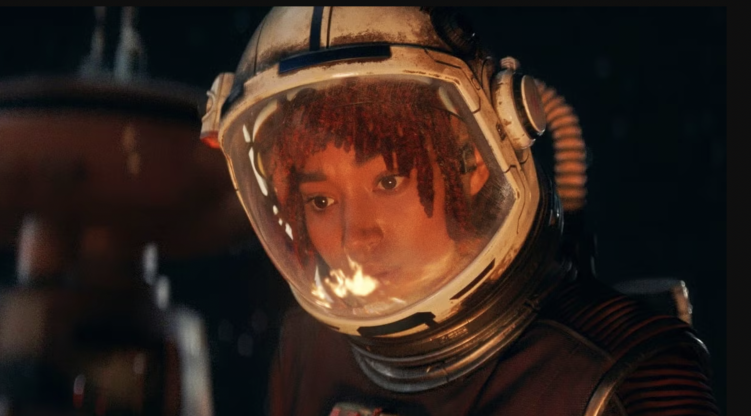
The idea of Osha working as a Meknek—performing hazardous ship repairs—came from the notion that R2-series astromech droids either hadn't been invented yet or weren’t prevalent in this era. This detail grounds the story in a time when organic beings handled risky tasks typically assigned to droids in later periods.
9 Master Indara's Inspirations
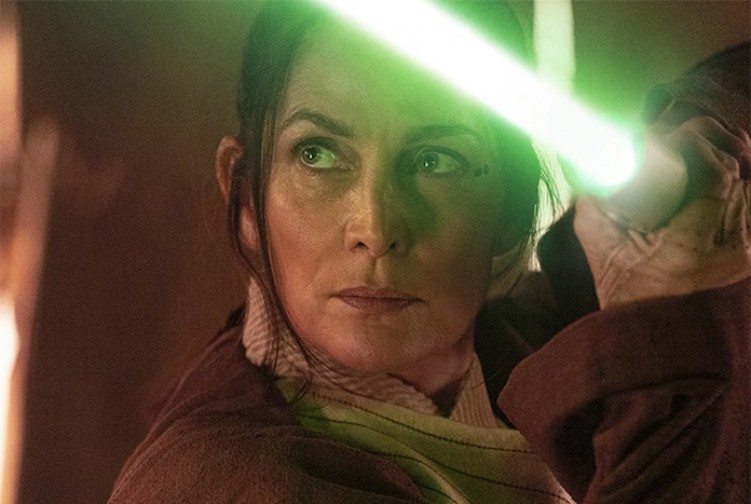
When creating Carrie-Anne Moss’ Master Indara, Leslye Headland thought of the character being “a mix of Obi-Wan Kenobi and Kill Bill’s O-Ren Ishii.” This hybrid inspiration created a character who embodied serene authority with underlying lethality.
10 Pip Droid Easter Eggs
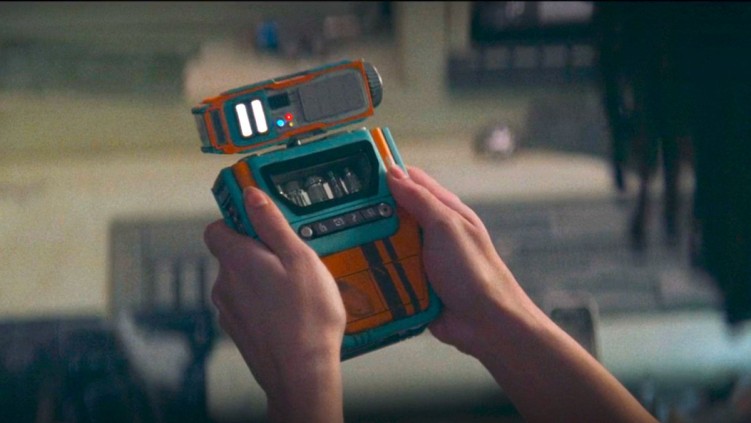
The droid companion Pip has four worn stickers on his body, all paying homage to different elements of Star Wars history: a bird’s eye view of the Ando Prime track from Star Wars Episode I: Racer, a Loth-cat nod to Star Wars Rebels, a re-creation of the emblem on Luke’s helmet in A New Hope, and a shape evoking Batuu from Star Wars: Galaxy’s Edge.
11 Colorful Jedi Robes Suggestion
It was Kathleen Kennedy who suggested that the Jedi Order’s robes be more colorful in the series. Headland recounted, “[Kennedy] said, ‘Every time I go into toy departments and see Jedi action figures, they’re always beige and off-white. They look kind of bland on the shelves.’” Headland took this advice to heart, resulting in vibrant attire that visually distinguished the High Republic Jedi.
12 Master Sol's Modeling
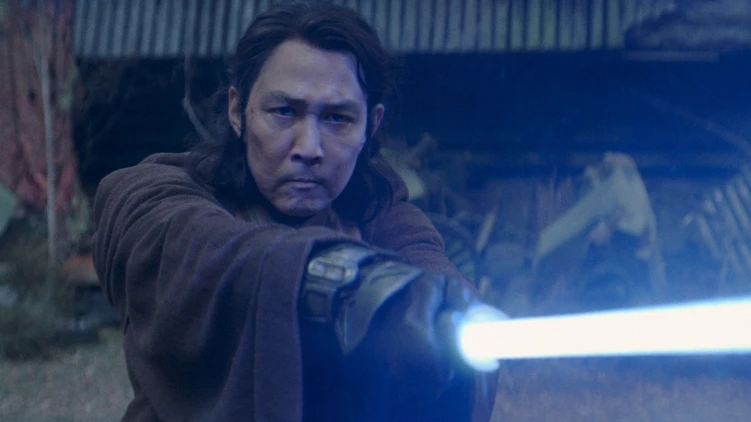
Lee Jung-jae studied Liam Neeson’s portrayal of Qui-Gon Jinn to prepare for the role of Sol. “I wanted him to have similar characteristics, philosophy, mindset, and heart,” Lee Jung-jae said, paying homage to The Phantom Menace while fitting Sol's mentor role.
13 Vernestra Rwoh's Bald Design
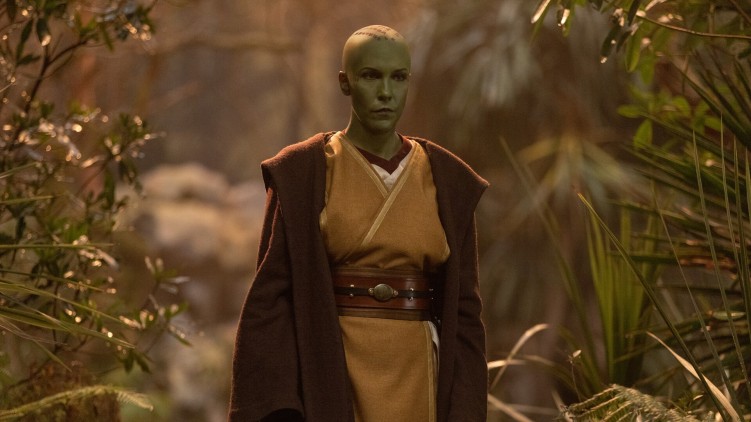
The decision to make Vernestra Rwoh bald in the show was a nod to her wisdom, similar to the design of Tilda Swinton’s The Ancient One in Doctor Strange. This conveyed maturity and enlightenment in a visually striking way.
14 Yord Fandar's Species Change
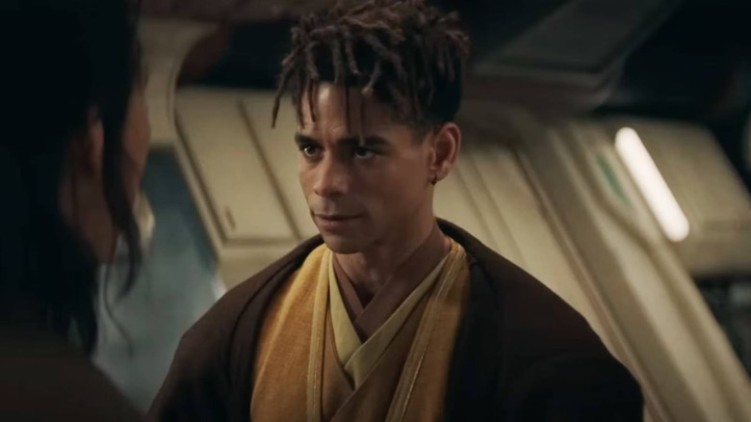
Yord Fandar was originally envisioned as a Duros, the same species as Cad Bane. Shifting to a human character allowed for more relatable emotional expressions in the ensemble cast.
15 Massive Practical Forest Set
For the episodes Day and Night, a massive practical forest set was built, spanning more than 70,000 square feet and packed with more than 160 real trees, thousands of ferns, and other plants reaching toward the 37-foot-high soundstage ceilings. This immersive environment enhanced the authenticity of the Brendok planet sequences.
16 Kelnacca's Abandoned Shaved Head
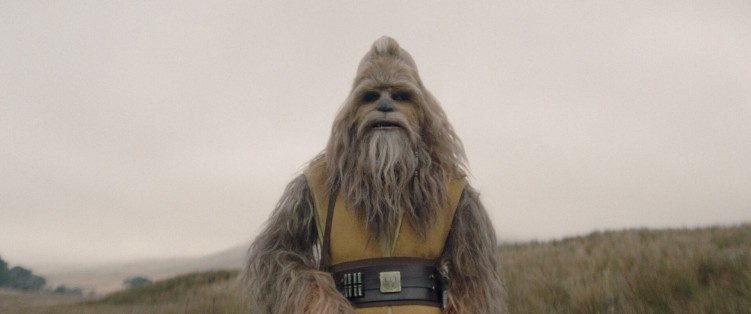
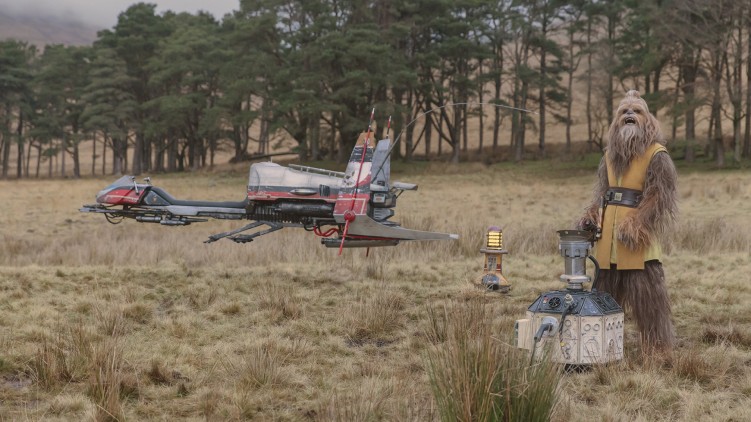
Kelnacca the Wookiee Jedi was originally meant to have a shaved head, but the team thought it would “look quite odd considering his entire body is long hair.” The final look preserved Wookiee traditions while marking him as a unique Jedi.
17 The Stranger's Pre-Production Nickname
In pre-production, designers gave The Stranger the nickname “Frank,” a nod to the toothy rabbit in Donnie Darko. This moniker captured the character's mysterious and unsettling presence.
18 Stranger Mask Link to Kylo Ren
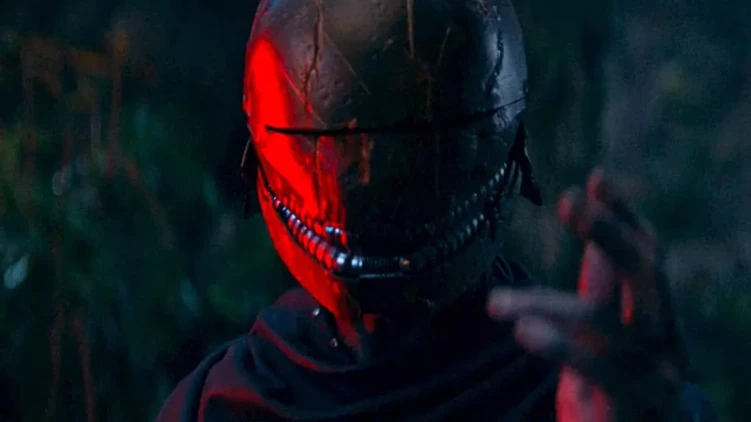
The Stranger’s disturbing, smiling mask was designed to evoke Kylo Ren’s helmet from the sequel trilogy. Creature artist Nick Tyrell describes, “The slight frill at the back of the helmet – a design element that dates back to the franchise’s samurai influence and notably first seen in Vader’s design – hints at a link between the Stranger and the Star Wars sequel trilogy’s masked antagonist Kylo Ren.”
19 Connection to Knights of Ren
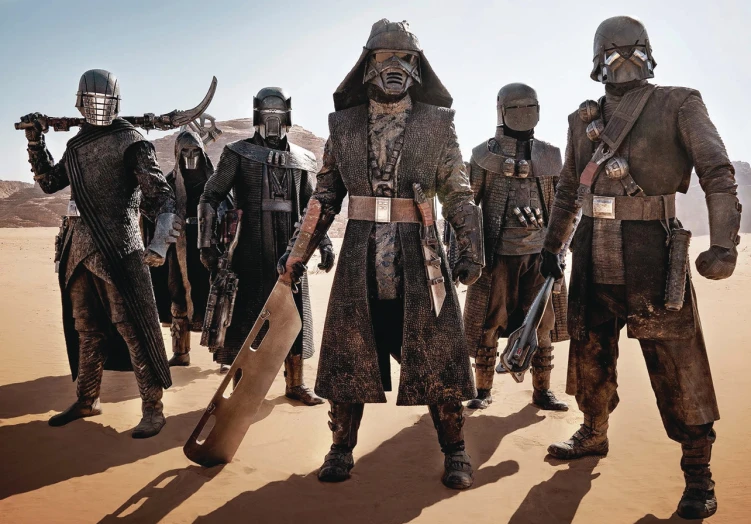
The link between Kylo Ren and The Stranger is more than just aesthetic. “It felt like it foreshadowed a possible connection to the Knights of Ren with the Kylo Ren shape we landed on,” Headland states, positioning him as potentially the first in a Sith-adjacent group that foreshadows events leading to Darth Plagueis and the Rule of Two.
20 Cortosis for Lightsaber Counter
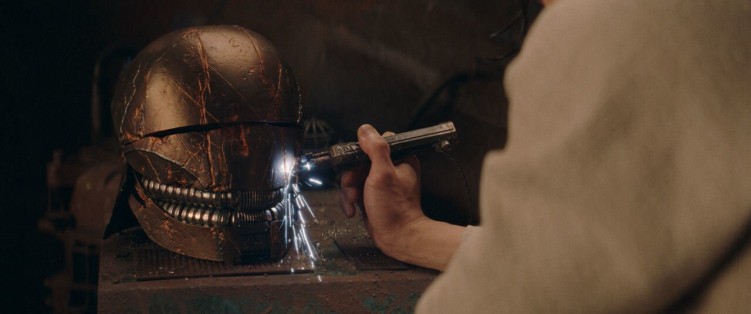
Dave Filoni advised Headland early on that, besides beskar, George Lucas had always been adamant that lightsaber efficacy be preserved. This led to using cortosis—a rare metal from Star Wars Legends—to counter lightsabers effectively in key scenes.
21 Darth Plagueis' Planned Appearance
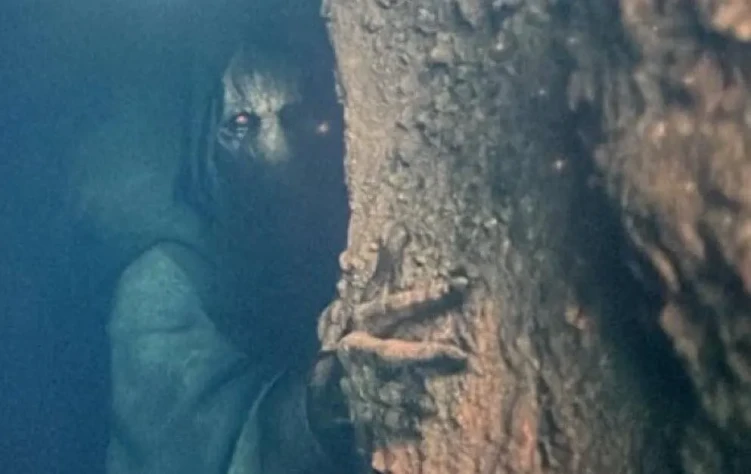
Darth Plagueis was originally going to feature at the very end of the show as the overarching villain. “I had always wanted the end of the season to introduce Plagueis,” Headland said, building on the era's setup to escalate the threat beyond The Stranger.
22 Plagueis Design Reaction
Headland was inspired by Gollum’s introduction in The Fellowship of the Ring in conceptualizing Plagueis’ reveal. “Before we even designed anything, I knew I wanted to do what they did with Gollum in The Fellowship of the Ring, where you get a sense of this character... but I didn’t want to do something in full-on daylight.”
23 Rorschach-Inspired Mask Idea
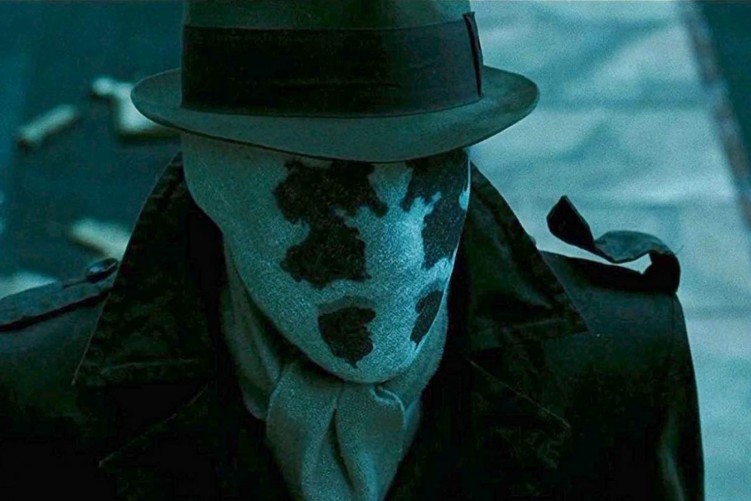
One idea for The Stranger’s mask was inspired by Rorschach in Watchmen. “I’m a big fan of Watchmen,” Headland said. “The idea there was Rorschach. We liked the idea that when you looked at him, you would see yourself, because cult leaders like Jim Jones would wear those big glasses so that you could never see him, you’d only be looking at yourself.” This design aimed to make the mask a mirror for viewers' own perceptions.
24 Bith Species Mask Alternative
Another design idea for The Stranger’s mask was having it be reminiscent of the Bith species, known for their large heads and musical talents in Star Wars cantinas. This option was explored to add an alien flair to The Stranger's anonymity.
25 Witches' Temple Location Shift
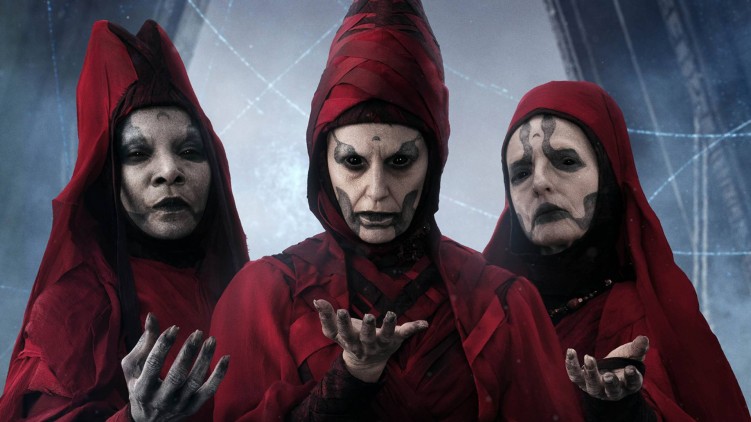
Mother Aniseya’s temple in the show was originally on the planet Dathomir, home to the Nightsisters. Headland changed her mind after Dave Filoni clarified that not all witches in Star Wars are Nightsisters, broadening the depiction of Force-sensitive groups.
26 Witches' Aesthetic Influences
Ultimately, the witches were inspired by the nuns of 1947’s Black Narcissus film, in addition to the Nightsisters of Dathomir, blending spiritual seclusion with dark mysticism.
27 Alternate Ending Scene
The book reveals an alternate ending right before the Yoda epilogue. “There was a moment where I think you understood Vernestra’s choice to betray Sol,” Headland describes. “As she was leaving [the Galactic Senate Building], she walked out and looked up as Senator Rayencourt said, ‘Welcome to the world of politics’.” This was removed as it disrupted the flow to the cameo.
28 Senate Building Under Construction
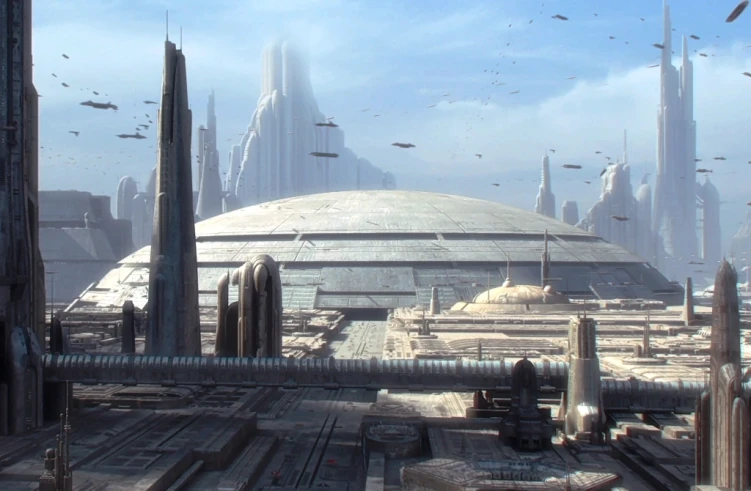
The Senate Building was originally going to be depicted as being under construction and being remodeled in The Acolyte. This was to imply that the corruption from the prequels has begun, with artist Kevin Jenkins noting: “It’s the beginning of the end.”
29 Red Tribunal Floor Symbolism
The floor that Vernestra presents her story to the Senate tribunal in is red, because “she is lying in the blood of all the Jedi that were killed,” Jenkins said, visually underscoring her deception and the consequences.
30 Unused Osha-Qimir Romantic Moment
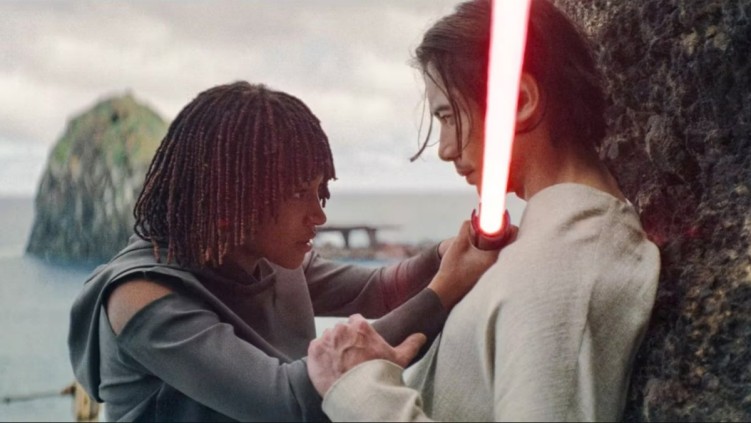
Concept art in the book reveals that Osha and Qimir were originally going to share a romantic kiss, with the picturesque island and surrounding water as a backdrop, hinting at deeper emotional layers in their dark-side alliance.
The Art of Star Wars: The Acolyte was published by Abrams Books today, February 3, 2026, and is available on Amazon in hardcover format with 224 pages filled with concept art, commentary, and never-before-seen designs. The Acolyte itself remains available to stream exclusively on Disney+, where viewers can experience the full eight-episode season set a century before The Phantom Menace.