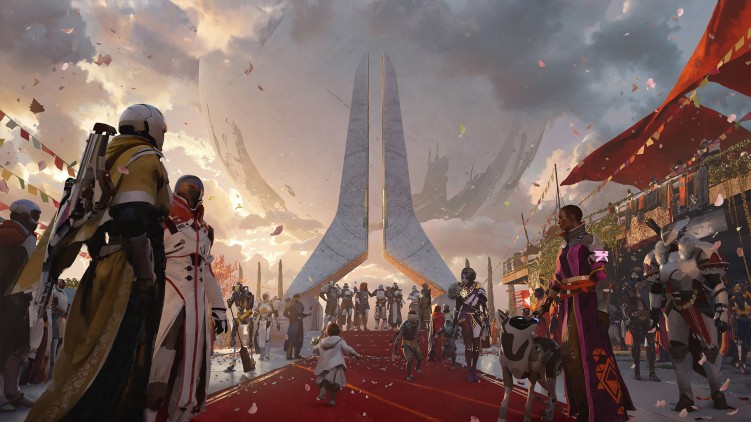
Bungie recently announced it will stop delivering new content for Destiny 2 after June 9. The move ends years of regular updates for the popular live-service shooter that launched in 2017 and built a dedicated community through its evolving story, raids, and seasonal events. This abrupt conclusion has prompted sharp criticism from Warframe Creative Director Rebecca Ford, particularly highlighting tensions around the sustainability of long-running live-service titles.
She shared her thoughts on the OnlyFrames podcast. She said this on the podcast that there is “no world where it makes sense.” The news hit hard for many in the industry who have followed the shared history between live-service shooters.
“Obviously, that news was just cataclysmic. I think there is no world where it makes sense from someone who, you know, enjoys video games that you can just do that,” Ford remarked (via MP1st). “You can just end one of the biggest things to hit the gaming industry in the past 10 years.” Her words captured the shock many felt upon learning of the abrupt halt to new updates.
Ford went on to say Destiny 2 coming to an end is the result of “the business side of things.” She highlighted how commercial pressures have increasingly dominated decisions in game development. This shift has created challenges across the sector, particularly affecting dedicated communities.
“You’ve seen the business side of things be the biggest voice in the room for a long time. It’s just never hurt this much for a lot of people in our niche genre, I think, which is, you know, it’s unthinkable,” she explained. The comment underscores the emotional weight felt by creators and players alike in the live-service space. Such outcomes reflect broader industry trends where financial considerations often take precedence over creative longevity.
Ford further reflected on the cultural impact of the franchise by noting that Destiny was and is a force of nature. It has been loved and held in the hands of so many people who, for a moment, were part of the biggest thing in gaming. Then comes the words, summarized crudely: ‘The End.’ This perspective illustrates how the series created lasting connections and shared experiences that elevated it beyond typical entertainment. The sudden conclusion feels particularly jarring given its storied place in modern gaming history.
The announcement has left many wondering about the future of the Destiny universe. While some hope for new installments, the studio's priorities appear directed elsewhere for the time being. Bungie is now focusing on Marathon and incubation work on “our next games.” Fans want Destiny 3 but the company continues to channel resources into these emerging initiatives instead. This strategic pivot comes amid reports of internal changes at the studio.
The decision to conclude new content for Destiny 2 represents more than just the close of a chapter for a single game. It highlights ongoing tensions in the live-service model where sustained support often clashes with business realities. Developers like Ford, whose own work on Warframe draws inspiration from similar genres, have voiced concerns about the precedent this sets. The niche of cooperative online shooters has thrived on long-term engagement, making this transition feel especially disruptive.
Destiny 2 launched in 2017 and built a massive player base over nearly a decade through its blend of storytelling, loot systems, and social gameplay. Ending support without a full sequel leaves a void that many titles in the space may struggle to fill. Creative voices across studios continue to grapple with balancing artistic vision against commercial demands.
As Bungie moves forward with its new priorities, the influential legacy of Destiny 2 persists in shaping expectations for online multiplayer experiences. It demonstrated the potential for games to evolve over years with regular updates and community events. The emotional response from figures like Ford reveals how deeply these changes resonate within the development community, prompting fresh conversations about the viability of long-running live-service titles.